Auto Transport Insurance: What You Need to Know in 2025
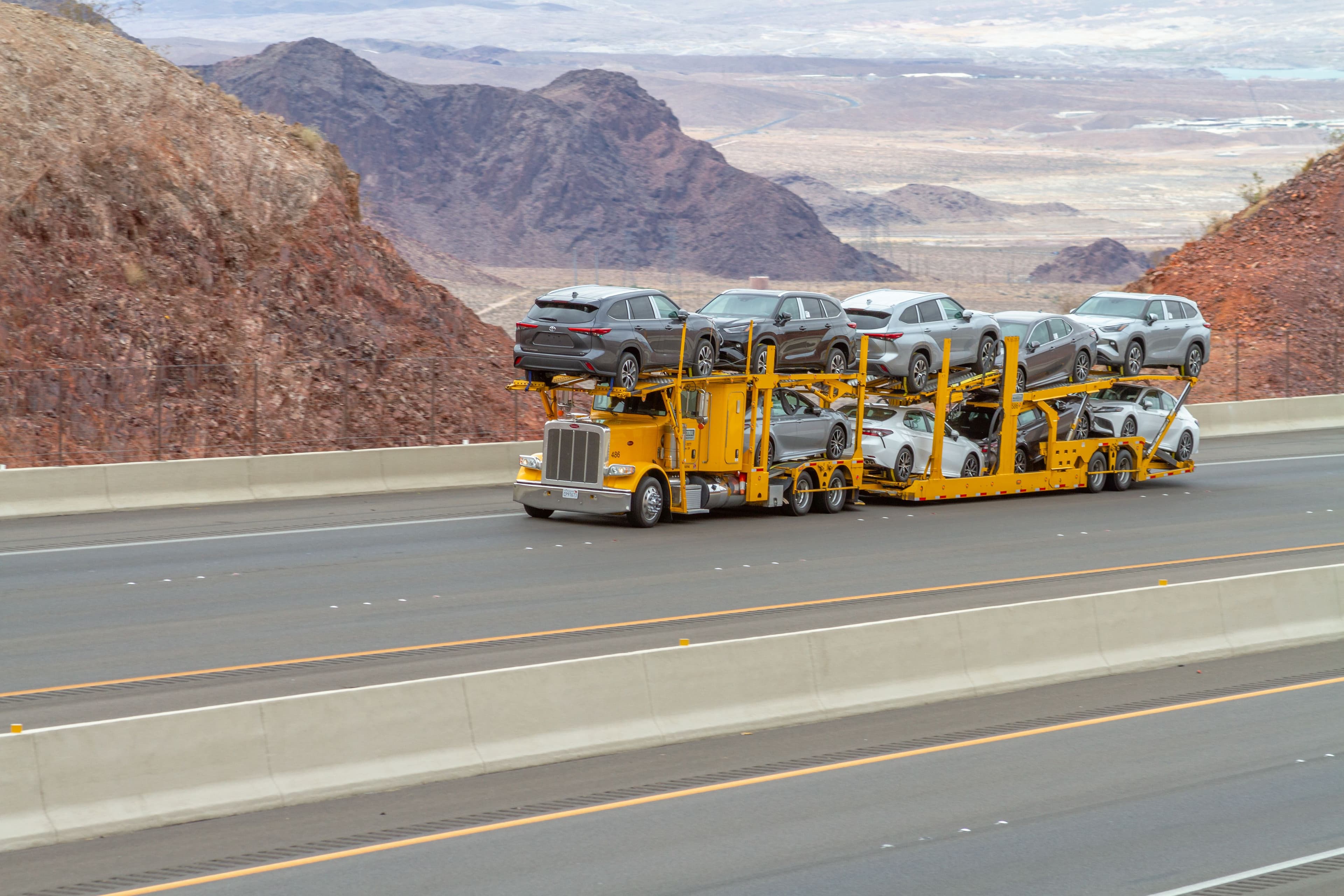
Auto Transport Insurance: What You Need to Know in 2025
Every legitimate auto transport carrier is required to carry cargo insurance. But "has insurance" and "you are fully protected" are not the same thing. Understanding what carrier insurance covers, what it does not, and where gaps exist is essential before you hand over your keys.
This guide explains how auto transport insurance works, how to verify it, and what to do if something goes wrong.
How Carrier Insurance Works
The Federal Motor Carrier Safety Administration (FMCSA) requires all registered carriers to maintain cargo insurance. This is not optional—it is a condition of their operating authority. A carrier without valid insurance cannot legally transport vehicles.
What Carrier Insurance Covers
Carrier cargo insurance protects your vehicle against damage that occurs during the transport process due to the carrier's actions or negligence:
- Loading and unloading damage — Scratches, dents, or mechanical damage that occurs while your car is being driven onto or off the trailer
- Transit damage from securement failure — If straps or chains fail and your vehicle shifts or contacts another vehicle
- Collision damage — If the carrier truck is involved in an accident
- Fire damage — Coverage for fire that damages vehicles on the trailer
- Theft — Coverage if your vehicle is stolen while in the carrier's custody
- Vandalism — Damage from third-party vandalism during transport
What Carrier Insurance Does NOT Cover
This is where people get surprised. Standard carrier cargo insurance has significant exclusions:
Personal belongings. Items left inside your vehicle are not covered. That box of clothes in the trunk, the laptop under the seat, the sunglasses on the dash—none of it. If items go missing or are damaged, the carrier has zero liability.
Pre-existing conditions. Mechanical problems that existed before transport are the owner's responsibility. If your check engine light was on before shipping, the carrier is not liable for engine issues at delivery.
Normal wear from open transport. Minor dust accumulation, bug splatter, or light road film on a vehicle shipped via open transport is considered normal. You cannot claim that your car got dirty during an open-air cross-country trip.
Acts of God (in some policies). Hail, tornadoes, floods, and other extreme weather events may have limited or no coverage depending on the carrier's specific policy. This varies significantly between carriers.
Consequential damages. If transport damage causes you to miss a car show, lose a sale, or incur rental car costs, those secondary losses typically are not covered under the carrier's cargo policy.
Read the Fine Print
Carrier insurance policies vary widely. Coverage limits, deductibles, and exclusions differ from one carrier to the next. Always ask for specifics before booking—not after a problem occurs.
Coverage Limits and Deductibles
Typical Coverage Limits
| Coverage Type | Typical Range |
|---|---|
| Per-vehicle cargo coverage | $100,000–$250,000 |
| Total trailer coverage | $500,000–$1,000,000 |
| Liability insurance | $750,000+ (FMCSA minimum) |
Most standard carriers carry $100,000–$250,000 in per-vehicle cargo coverage. This is sufficient for the vast majority of vehicles. However, if you are shipping a vehicle worth more than the carrier's per-vehicle limit, you have a gap.
Deductibles
Carrier insurance policies include deductibles—the amount of damage cost you absorb before insurance pays. Typical deductibles range from $500 to $1,500.
This means if your car sustains $800 in damage during transport and the carrier's deductible is $1,000, you receive nothing from the carrier's insurance. The damage cost is below the deductible threshold.
For minor damage—a small dent, a paint scratch—the deductible often exceeds the repair cost. This is a gap that catches many vehicle owners off guard.
Ask About Deductibles
Before booking, ask the carrier: "What is your cargo insurance deductible?" If it is $1,000 or more, understand that minor damage claims will come out of your pocket.
How to Verify a Carrier's Insurance
Do not take a carrier's word for their insurance coverage. Verify it independently.
Step 1: Get the Certificate of Insurance (COI)
Ask the carrier to provide a copy of their Certificate of Insurance. This document shows:
- The insurance company providing coverage
- Policy number
- Coverage limits
- Effective dates
- Named insured (should match the carrier's legal name)
A legitimate carrier provides this within hours of being asked. Hesitation or refusal is a red flag.
Step 2: Verify Through FMCSA
Visit the FMCSA's SAFER System at safer.fmcsa.dot.gov and look up the carrier by their MC number or USDOT number. The record shows:
- Whether the carrier's operating authority is active
- Insurance status (though not specific coverage details)
- Safety record and inspection history
- Any out-of-service orders
Step 3: Contact the Insurance Company
For high-value vehicles, call the insurance company listed on the COI to confirm the policy is active and the coverage limits are as stated. Policies can be cancelled or modified after a COI is issued.
Step 4: Check the Policy Dates
Insurance certificates have effective and expiration dates. Ensure the policy is current and will remain active through your transport dates. An expired policy means no coverage.
Your Personal Auto Insurance
Your own auto insurance may or may not provide coverage during transport. This depends entirely on your specific policy.
What to Ask Your Insurer
Contact your auto insurance company before shipping and ask:
- "Does my policy cover my vehicle while it is being transported by a third-party carrier?" — Some comprehensive policies do; many do not.
- "Are there any exclusions related to commercial transport?" — Some policies specifically exclude coverage when a vehicle is on a commercial carrier.
- "Would a claim during transport affect my premiums?" — Understand the implications before relying on your personal policy as backup.
- "Do I need to notify you that my vehicle is being shipped?" — Some insurers require advance notice; failure to notify could void coverage.
The Overlap Question
If both the carrier's insurance and your personal insurance cover a loss, which one pays? Typically, the carrier's insurance is primary—it pays first. Your personal insurance may cover the gap above the carrier's limits or below the carrier's deductible, depending on your policy terms.
Do not assume overlap exists. Verify with both parties.
Supplemental Insurance and Gap Coverage
For situations where carrier insurance leaves gaps, supplemental coverage is available.
What Supplemental Insurance Covers
Third-party auto transport insurance policies can provide:
- Lower or zero deductibles — Eliminating the carrier's deductible gap
- Higher coverage limits — Protecting vehicles worth more than the carrier's per-vehicle limit
- Broader exclusion coverage — Including acts of God, interior damage, and other typically excluded items
- Personal belongings coverage — Some policies cover items inside the vehicle (though removing them is still recommended)
What It Costs
Supplemental transport insurance typically costs $50–$200 depending on:
- Vehicle value
- Coverage level selected
- Deductible chosen
- Transport distance and type
For a $50,000 vehicle on a cross-country shipment, expect to pay $75–$150 for comprehensive supplemental coverage. For a $150,000 exotic on enclosed transport, costs may reach $200–$400.
When to Buy Supplemental Coverage
Consider supplemental insurance when:
- Your vehicle's value exceeds the carrier's per-vehicle coverage limit
- The carrier's deductible is high relative to your comfort level
- You are shipping a vehicle with sentimental value beyond its market price
- Weather-related risks concern you and the carrier's policy excludes acts of God
- Your personal auto insurance does not cover third-party transport
For most standard vehicles on reputable carriers, supplemental insurance is optional but provides peace of mind. For high-value vehicles, it is strongly recommended.
Worth the Investment
Supplemental insurance on a $75,000+ vehicle costs roughly $100–$200. That is less than 0.3% of the vehicle's value for complete coverage. If you are spending $1,500+ to ship a valuable car, the additional protection is a rational investment.
Filing a Claim: What to Do If Damage Occurs
If your vehicle arrives with new damage, the steps you take in the first 24 hours determine whether your claim succeeds or fails.
At Delivery: Immediate Steps
-
Do not sign the delivery receipt without inspecting the vehicle. This is critical. Once you sign acknowledging delivery in good condition, disputing damage becomes exponentially harder.
-
Compare against your pre-shipment photos. Walk around the entire vehicle and compare every panel to your documentation from before pickup.
-
Note all new damage on the delivery receipt. Be specific: "3-inch scratch on driver-side rear quarter panel" is better than "scratch on side." The driver should acknowledge and initial each notation.
-
Photograph all damage thoroughly. Take close-ups and wide shots showing the damage in context. Include photos with the delivery truck visible in the background to establish timing and location.
-
Get the driver's acknowledgment. Ask the driver to confirm the damage was not listed on the pickup Bill of Lading. Their acknowledgment strengthens your claim.
Within 24–48 Hours
-
Contact the carrier's claims department. Call and email. Get a claim number and the name of your claims adjuster. Document the date, time, and who you spoke with.
-
Submit all documentation. Provide your pre-shipment photos, delivery photos, the pickup Bill of Lading, the delivery receipt with damage notations, and any other relevant evidence.
-
Get repair estimates. Obtain 2–3 written repair estimates from reputable body shops. This establishes the damage cost and gives the insurance company a basis for settlement.
The Claims Timeline
Carrier insurance claims typically take 30–90 days to resolve. The process involves:
- Initial claim filing and acknowledgment
- Adjuster review of documentation
- Possible independent inspection
- Settlement offer or denial
- Negotiation if needed
- Payment
Do Not Wait
Most carrier policies require damage claims within 5–15 days of delivery. Waiting weeks to report damage can result in automatic denial. File immediately, even if you need time to get repair estimates.
Protecting Yourself: A Summary
Auto transport insurance provides meaningful protection, but you need to be proactive:
- Verify carrier insurance before booking — Get the COI and check FMCSA records
- Understand coverage limits and deductibles — Know what is and is not covered
- Check your personal auto policy — Determine if it provides backup coverage
- Consider supplemental insurance for valuable vehicles — The cost is small relative to the protection
- Document your vehicle thoroughly before shipping — Photos and video are your best evidence
- Inspect carefully at delivery — Do not sign until you have checked everything
- File claims immediately — Delays can void your coverage
Ship with Confidence
Car Transport Connection works with fully insured, FMCSA-verified carriers:
- Insurance verification on every carrier in our network
- Transparent coverage details provided before you book
- Claims support if any issues arise during transport
- $150 Price Protection guarantee
Questions about insurance coverage for your specific vehicle? Our team can help you understand your protection options before you ship.
Related Articles
How to Avoid Auto Transport Scams: Protect Your Vehicle and Money
Learn to identify auto transport scams before they cost you. Red flags to watch for, verification steps, and how to find legitimate car shipping companies.
How to Ship Your Car Safely: Complete Guide for 2025
Learn the essential steps to safely ship your vehicle. From choosing carriers to insurance coverage, get expert tips from Car Transport Connection.
Door-to-Door vs Terminal Shipping: Which Is Right for You?
Compare door-to-door and terminal-to-terminal car shipping. Learn the real cost differences, pros and cons, and which option fits your situation best.